

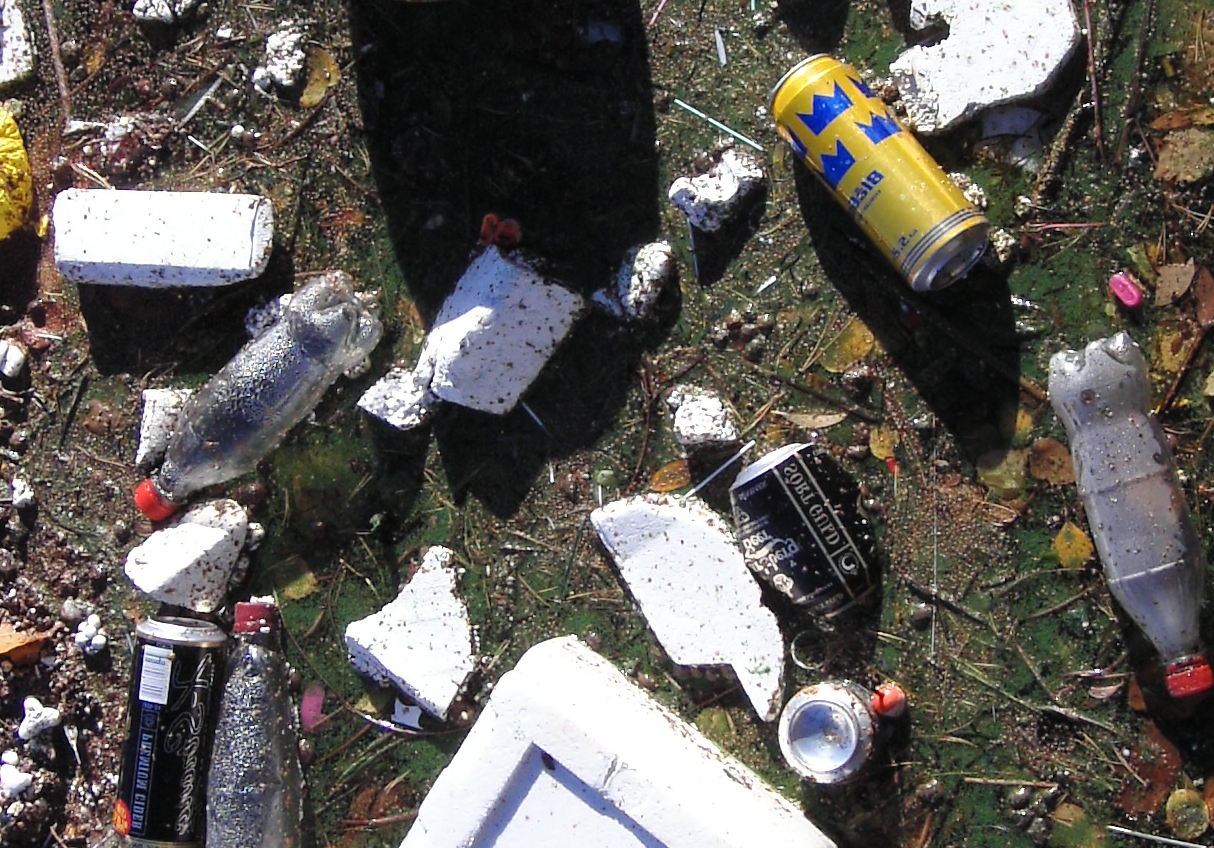
I noticed the crumpled Kleenex on the sidewalk and kept walking. I didn’t pick it up because the idea of touching someone else’s used tissue was just too icky. And I sidestepped the dog feces—wondering how irresponsible some people can be. I tried not to see the empty beer can lolling in the gutter.
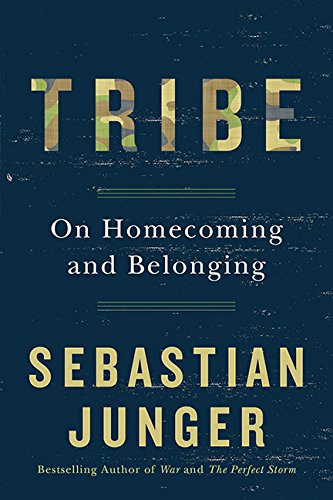
My morning stroll always incorporates three elements: my dog, my current audiobook and my effort to ignore the deteriorating condition of my once-nice neighborhood. On this particular day I was listening to Tribe: On Homecoming and Belonging, by Sebastian Junger. The book, an expansion of the article that Junger wrote in 2015 for Vanity Fair, is more thought-provoking than solution-driven. It is a rumination on Post Traumatic Stress Disorder in soldiers returning from Afghanistan and Iraq and why our modern American veterans have a much harder time returning home and reintegrating into society. It’s a book I think everyone should read. It’s quite short; it can be read in about an hour. The audio version is about three hours.
Junger posits that in combat, soldiers experience deep connection and unity with their fellow soldiers. Life-threatening circumstances tend to do that. When they come home, it is our society’s inability to socially validate those who fought and the isolation and alienation of modern society that leads to PTSD. “Today’s veterans often come home to find that, although they’re willing to die for their country, they’re not sure how to live for it.” And, sadly, it’s easy to understand the soldier’s lack of connection because they are not the only victims. We, the people of this prosperous modern nation, with access to more food, comfort and every conceivable luxury, lack some of the most basic human needs. The author theorizes that human contentment requires three elements: Competence: (people need to feel useful) Authenticity: (the need to live as who they truly are and be accepted as such) and Connection: (loyalty is a powerful emotional bond; without the well-being of others there can be no personal happiness.)
We have strayed far from our hunter-gatherer days of communal living. Modern life dictates that many people live, work, and even play alone. Our country, which prizes the rights of the individual, has lost the cohesive sense of community that homo sapiens thrive on. The symptoms are everywhere. The same alienation that causes PTSD in soldiers is also the root of domestic acts of anti-social behavior—everything from school shootings to littering. We live in a nation that adulates billionaires and TV personalities and dismisses the value of people who get up, go to work every day, pay their taxes, and raise their kids. We talk a lot about our rights, rarely about our responsibilities.
And even worse, according to Junger, “We live in a society that is basically at war with itself. People speak with incredible contempt about—depending on their view—the rich, the poor, the educated, the foreign-born, the president or the entire US government. It’s a level of contempt that is usually reserved for enemies in wartime, except that now it’s applied to our fellow citizens. Unlike criticism, contempt is particularly toxic because it assumes a moral superiority in the speaker . . . People who speak with contempt for one another will probably not remain united for long.” As I listened to this I nodded guiltily. Utterly deplorable.
What I love about books is that everyone seems to come away with a slightly different take on the content. Someone more discerning than I am might quibble with the statistics; someone more erudite might criticize the structure. But for me, so much of it came down to a term that I had not heard used before.(I’m probably confessing to an ignorance I’ll find embarrassing later.) I’m certainly familiar with altruism, which means almost the same thing, but the term that Sebastian Junger used to great effect was “pro-social.” I love the symmetry to anti-social—a term we hear all the time—but I’ve never heard people talk about pro-social acts. (I should probably get out more—maybe go to TED talks?) But what if we focused on more acts of pro-social behavior? What if each of us endeavored to perform acts for the good of the community without expectation of credit or even recognition? What if we swallowed angry words and listened instead? Or suppressed a scowl and smiled instead? I know none of this is new or original, but especially in these trying times before the election, it bears repeating.
So, now I make sure I have plenty of doggie bags before I leave for my daily walk. I considered latex gloves, but my hands are washable, after all. And picking up cold dog poo is really not as revolting as picking up my own dog’s steaming piles. Finally, if you see me walking down the street with a beer can at 8 a.m., withhold judgment, please.


