

The story of midwifery in Shasta County is inseparable from the 50-year career of Nora McNeill, whose impact was recently celebrated at the Shasta District Fairgrounds on March 21, 2026. This milestone offers a chance to look back at how she helped reshape reproductive healthcare in the North State. Since she began her work in 1975, McNeill has done more than just attend births; she led a movement to return autonomy to families while building a necessary bridge between home-based care and the formal hospital system. Her journey mirrors the broader, often difficult history of how babies have been brought into the world in this region.

Midwife Nora McNeill joins new parents as they admire their new baby.
To understand the change McNeill brought, one has to look at the rugged foundations of early Shasta County. In the mid-to-late 19th century, professional doctors were rarely found in the rural stretches of the North State. Birth was almost always a home event managed by “neighbor-midwives.” These women, often called “Granny” midwives, lacked formal degrees but possessed vast practical knowledge passed down through generations. They traveled for miles on horseback to reach remote mining camps or isolated ranches. During the mining boom of the 1850s through the 1880s, the risks were high due to poor sanitation and the massive distances from the town of Shasta or the early settlements of Redding.
As Redding grew into a regional hub during the early 20th century, the system began to shift toward “maternity homes” or cottage hospitals. These were typically private residences converted into small clinics where a nurse or doctor could oversee several births at once. While this was the first move toward a centralized location, the atmosphere remained fairly domestic. St. Caroline Hospital, established in the early 1900s, was a key part of this era. It eventually grew into what we now know as Mercy Medical Center, marking the start of institutionalized birth in Redding and the gradual decline of the traditional Victorian-era home delivery.
By the 1940s and ’50s, the medical model of obstetrics had become the rigid standard across the county. This period was defined by “Twilight Sleep,” a practice where laboring mothers were heavily sedated, often leaving them with no memory of the birth itself. The expansion of Memorial Hospital, now Shasta Regional, reflected a time when birth was treated as a strictly medical procedure. Fathers were usually excluded from the delivery room, and “scientific” formula was frequently prioritized over breastfeeding. The personal, community-driven connection of the pioneer days had largely been replaced by a clinical, high-intervention approach.
McNeill arrived in Redding in the late 1970s and became the first lay midwife to establish a local home-birth practice. Her arrival fit perfectly with a growing national movement to return to natural processes, a philosophy that matched the independent, “rugged individualist” spirit of the North State. However, the 1980s were a time of intense legal and social pressure for midwives in California. Nora had to navigate a landscape that often questioned the legitimacy of her work. Rather than working in isolation, she became a central figure in the “Birth of Choice” movement, which fought to ensure families had access to a full range of options, from traditional home births to hospital deliveries supported by midwives.
Recognizing that a permanent link was needed between these two worlds, McNeill eventually transitioned her practice into the mainstream medical system without losing her core philosophy. She became a Registered Nurse in 1986 and later one of the state’s Licensed Midwives in 1998. This was a tactical move that allowed her to bring the patient-centered heart of midwifery into an institutional setting. During her time as the Manager of the Women’s Health Department at Shasta Community Health Center, she influenced the standard of care for thousands of families, ensuring that informed consent and compassionate support remained at the center of the clinical experience.
One of McNeill’s most vital contributions was her advocacy for Vaginal Birth After Cesarean, or VBAC. For decades, the prevailing medical rule was “once a cesarean, always a cesarean,” and local hospitals were often very restrictive regarding the practice. Nora worked to provide evidence-based paths for women to experience natural labor even after previous surgical interventions. Her persistence helped change the culture of local medicine and empowered women to trust their bodies. Her legacy has been captured in the documentary short film She is Fearless, which tells the story of her impact on the North State and the generations of families she has served.
The recent gathering at the fairgrounds showed just how deep McNeill’s roots are in Shasta County. She essentially brought the spirit of the old “neighbor-midwives” into the modern age, backing that tradition with professional credentials. Over fifty years, she watched the local history of birth come full circle—moving from the informal care of the 1800s, through the highly medicalized mid-century years, and finally arriving at the integrated, choice-based model she helped build. She saw birth not just as a medical event, but as a transformative moment for the entire community.
###
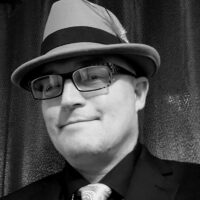 Gabriel Leete is a dedicated historian and community leader deeply rooted in the heritage of Northern California. As a lifelong advocate for local history, Gabriel has become a familiar voice in the region, most notably through his “Snapshot in History” column for the Redding Record Searchlight and his extensive research for the Shasta Historical Society and the Behrens-Eaton Museum.
Gabriel’s commitment to Redding extends beyond the archives. A graduate of Leadership Redding, he currently serves on its Steering Committee and holds a Certificate of Appointment to the Shasta County Advisory Committee (USDA). Whether he is leading specialized educational walks or preparing to teach his upcoming course at Shasta College, Gabriel’s work is defined by a passion for civic engagement.
A resident of Redding, Gabriel is a proud father and grandfather who balances his historical pursuits with modern expertise, holding certifications in Google Digital Marketing and the California Star program.


