

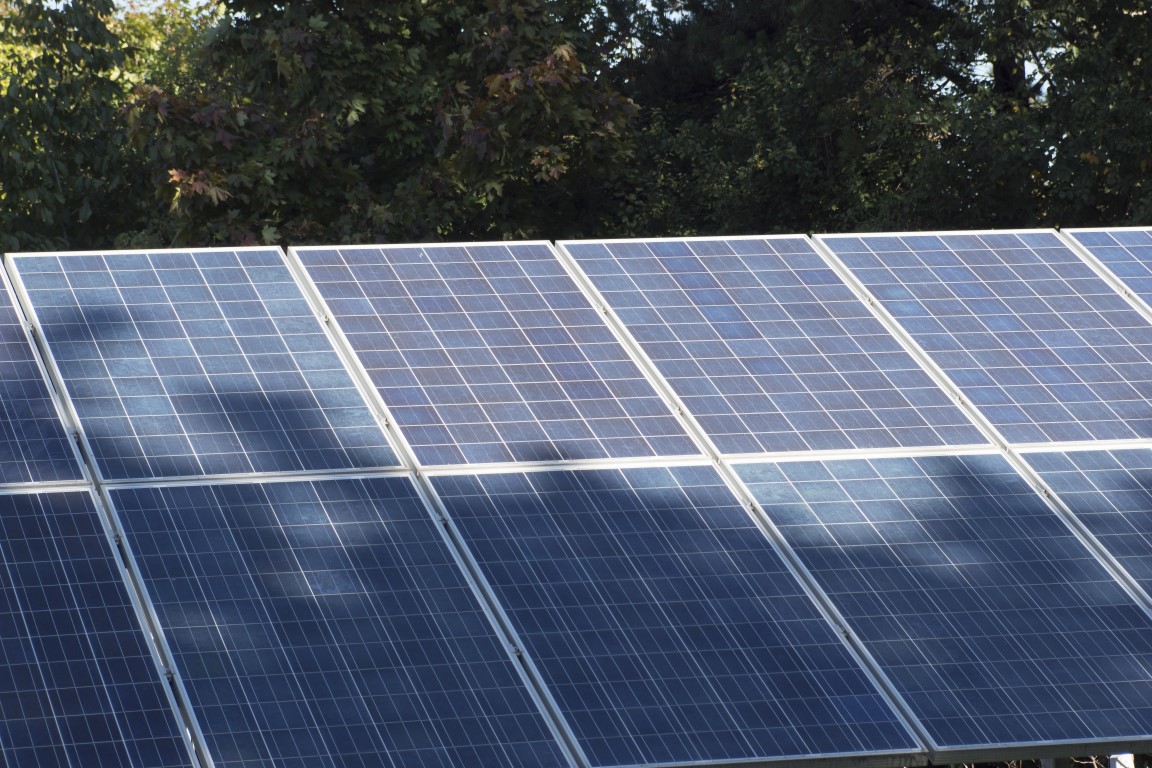
Welcome to the age of electrons and the era of electronification.
Dawn of the age of electrons occurred in 2006, when California approved a sweeping new energy sector roadmap. 14 years later, daybreak begins with the 2020 Zero Net Energy (ZNE) building codes. Starting January 1, 2020, all new residential structures must produce as much renewable energy as they consume. By 2030, most of California’s transportation, housing and commercial building sectors are mandated to be powered with renewable energy.
Electronification is solidly underway. All forces of entrepreneurial development are in play: An emerging major economic sector with first mover advantages on the one hand, and Pirate’s Code on the other (fall behind, left behind). How will Redding and the north state respond?
It’s difficult to segregate and compress the various aspects of this sweeping vision, but decisions must be made. One such decision is before Redding City Council; the Successor Tariff for Net Energy Metering (NEM).
NEM is where the utility meter spins backwards when excess on-site power is generated (daytime and summer) and spins forward when sufficient on-site power is NOT produced (evenings and winter). REU proposes to end net metering’s equal value buy/sell plan, replacing the residential plan with: Sell at $15 per month plus $0.1528 kWh, and buy excess solar production at $0.0385 kWh.
Under NEM, the solar value proposition was straightforward- install solar panels until your bill is close to zero. Under the proposed rules, the value proposition changes greatly. Excess energy produced during the day is 4 times less valuable than the electricity consumed at night. Adding battery storage is one fix for the proposed price differential.
The advent of the electric automobile furthers complicates the issue. Under NEM pricing, owning a zero net energy (ZNE) solar home and an electric car is economically rational. Ordinary people can finance a new home and new electric car because their monthly home energy costs are minimal, plus they don’t purchase fossil fuel (oil changes, brake shoes, smog check) for their car. Without NEM, the first cost of ZNE homes and electric cars must now include energy storage…batteries.
There is an important externality associated with battery storage and the concept of ‘locally distributed energy generation’. Recall that by 2030, California will require the residential and commercial building sectors to be powered by renewable energy. This vision isn’t tied solely to ZNE buildings, but rather to the pivotal concept of Zero Net Energy Community (ZNE Community).
Large numbers of locally distributed renewable energy producers must feed the grid to achieve California’s ZNE Community vision. Locally distributed renewable energy production relies on batteries to smooth supply and demand, and on specialized platforms called Distributed Energy Resource Systems (DERS) to manage the system. DERS are the brains, batteries are the stomach, and solar panels are the brawn. Renewable energy systems of today are DERS enabled. Redding isn’t. Having no DERS is dumb.
Ending net metering will move our market toward battery storage and potential implementation of a distributed energy resource system (DERS). DERS are needed to realize the vision of energy independence. Energy independence by 2030, that’s the big picture outcome.
Who could argue against locally sourced renewable energy independence? REU, for one. This entire vision entails loss of revenue, loss of control, loss of primacy. If politically enabled, distributed generation and DERS coordination would allow people to buy and sell among themselves.
The inability of all buildings, and especially commercial buildings to meet ZNE mandates is expected. That’s where in-lieu of production clauses come to play. For commercial buildings unable to meet the ZNE mandate, or for new homes in shade, an in-lieu exemption is available. In-lieu renewable power can be purchased off-site. For in-lieu to operate as intended, alternative (private market?) sources of renewable generation are required.
Given DERS, providers with excess capacity could sell renewable energy to a new commercial building unable to self-produce to the ZNE mandates. Why sell to REU at $0.0385 when the new LEED Gold courthouse down the street will buy at $0.12 kWh? DERS bring classic entrepreneurial disruption. Generally, utilities and bureaucracies don’t like disruption one little bit.
Every aspect of California’s Zero Net Energy Community vision touches REU, and not in a good way. The financial and operational stability of REU is one of City Council’s paramount policy goals. In fact, Redding’s adopted Sustainability Policy centers on sustaining REU cash flows, having nothing to say about sustainable ecological practices!
Tuesday evening, REU will have the opportunity to explain to Council their vision for our future. Council should expect a howling solar industry to complain about the lack of agency and inclusion.
Does REU alone create energy policies that shape our economic future? Is Redding reacting, or advancing?
“A talent for following the ways of yesterday,” declared King Wuling in 307 BC, “is not sufficient to improve the world of today.”
On one hand, our community deserves the opportunity to achieve energy self-sufficiency and entrepreneurial gains. On the other hand, Redding needs a strong REU. How does a community overcome such institutional conundrums? What process or body establishes Redding’s solar policies?


