
My life changed on Dec. 5, 2011.
It was leading up to Christmas, my favorite time of the year. The house was decorated and the presents were wrapped.
At KIXE, where I worked as the special events/volunteer coordinator, I managed more than 1,000 volunteers a year, arranged for celebrities to make guest appearances and created special events.

Kitty Conners before her life changed.
My part of the pledge drive was almost finished. The talent and phone banks were almost all in place, the set was going up and I would be able to take a few days off during the holidays. My husband and I had a cruise planned for the summer to Hawaii. I had spent time that week with my grandcritters and knew they would be back on Friday; their night at grandma’s house.
Life was very good.
And then, it wasn’t.
That night I woke with the worst pain in my gut I had ever felt. I waited until morning and had my husband take me to the doctor.
So began the ordeal. My doctor sent me to a Redding hospital, where doctors thought I was having a heart attack, and I was kept over night. The next day I was told I was fine, and sent home. Once home, my husband knew something was wrong and took me back. The E.R. thought I just wanted drugs, so I was sent home again.
I returned to my doctor, who sent me back to the hospital; this time to Redding’s other hospital, where more tests were done and I was sent home again.
All this time, I was going downhill. We weren’t home long before my husband took me back to the hospital. This time staff decided to keep me because I was failing to thrive. I guess that was a blessing as I started going down faster. A nurse walked into my room, looked at me and then ran out. The next thing I knew I had the whole stroke team in my room where someone was barking orders. I was wheeled off somewhere.
This is where it gets even more fuzzy for me. The pain was not going away, even after being given Dilaudid, which had as much effect as if I’d been given Kool-Aid. I kept asking for a surgeon. I just knew if they would cut me open they could see the problem, cut it out, and I would be fine again. I drifted in and out of sleep.
At some point I woke up and I heard doctors and nurses talking. The doctor said, “We are losing her and we don’t know why. Any ideas?”
I figured that was a good time to go back to sleep. I didn’t want to hear more. By this time paralysis had started in my feet and was moving up my legs, next to my torso and then my arms, and finally up to the side of my face.
I heard someone say that the respirator was in the hallway. A hospitalist finally asked Dr. Birk to come in and take a look, since he was in a nearby room for another patient. Thank God he was there, because he took one look at me and said, “Guillain Barre”.
He ordered a spinal tap, a nurse tried to hold me so he could do it right there. But I was beyond being able to sit up or turn over. He started the medication first and ordered the test for Guillain-Barre’ Syndrome second. Later, the tests came back and confirmed Dr. Birk’s suspicions: I had Guillain Barre Syndrome.
What I didn’t know then, but I know now, is that Guillain-Barré (Ghee-yan Bah-ray) Syndrome is an inflammatory disorder of the peripheral nerves outside the brain and spinal cord. According to the Centers for Disease Control, some people develop GBS after having the flu or other infections (such as cytomegalovirus and Epstein Barr virus). On very rare occasions, they may develop GBS in the days or weeks after getting a vaccination.
In my case, I had recently had the flu.
Within three days I was paralyzed from the neck down and half of my face. So started my trip back to a very slow recovery. I spent one month in the hospital, and one month in rehab. I had physical therapy at home for a few more months and then physical therapy in Redding until October 2012. That’s when I relapsed.
That is where my recovery stopped. What I am left with today is nerve damage throughout my body. My hands and feet are the worst; my left leg and spine later in the day.
Every day starts off pretty well. I know I have about four good hours, then my body is done. After talking to more than a few doctors in Redding, they say they might go their whole career and never see a patient with Guillain Barre Syndrome. This is why it’s overlooked so often. What that means for a patient like me is more damage to the body. If caught early, there are medications that can slow it down. I didn’t get these medications fast enough.
May is Guillain Barre Syndrome Awareness Month. Whether or not you or someone in your live has been diagnosed with GBS, the first thing to know about Guillain-Barré Syndrome is it’s a bizarre and frightening illness. Even so, despite the trauma that accompanies it, patients and families must keep in mind the fact that there is hope. The loss of control that patients experience, while terrifying, is usually temporary. It is important for patients and caregivers to see through the duration of the syndrome to the likelihood of eventual recovery.
Every illness interrupts life, and GBS is a severe interruption, often lengthy. The caregiver must somehow manage family, work and ordinary life activities while continuing the support of the patient during the illness and recovery.
In the United States, six to eight people come down with GBS every week, yet not much is known or talked about it. In my opinion, one of the reasons it’s not talked about more is that GBS sometimes follows a flu vaccination. Perhaps medical professionals believe that the higher risk of getting the flu outweighs the more rare possibility of getting GBS.
Either way, it’s been said that many famous people have suffered with GBS, such as Andy Griffith. Some speculate that president Franklin Roosevelt most likely had GBS, and not polio
More about GBS
Guillain-Barré (Ghee-yan Bah-ray) Syndrome, an inflammatory disorder of the peripheral nerves outside the brain and spinal cord, is also called: Acute Inflammatory Demyelinating Polyneuropathy and Landry’s Ascending Paralysis.
GBS is characterized by the rapid onset of numbness, weakness, and often paralysis of the legs, arms, breathing muscles, and face. Paralysis is ascending, meaning that it travels up the limbs from fingers and toes towards the torso. GBS came to public attention briefly when it struck a number of people who received the 1976 swine flu vaccine. Although not in the news as much today, it continues to claim thousands of new victims each year, striking any one at any age, regardless of gender or ethnic background.
The rapid onset of weakness, frequently accompanied by abnormal sensations (numbness, tingling) that affect both sides of the body similarly, is common. Loss of reflexes, such as the knee jerk, are usually found.
What causes GBS?
The cause is unknown. It is known that about 50 percent of cases occur shortly after a microbial infection (viral or bacterial), some as simple and common as the flu or food poisoning. Some theories suggest an autoimmune trigger, in which the patient’s defense system of antibodies and white blood cells are called into action against the body, damaging myelin (nerve covering or insulation), leading to numbness and weakness.
To confirm a diagnosis, two tests may be performed: A lumbar puncture looking for elevated fluid protein, and/or an electrical test of nerve and muscle function
How is GBS treated?
GBS in its early stages is unpredictable, so except in very mild cases, most newly diagnosed patients are hospitalized. Usually, a new case of GBS is admitted to the hospital to monitor breathing and other body functions until the disease is stabilized. Plasma exchange (a blood “cleansing” procedure) and high dose intravenous immune globulins are often helpful to shorten the course of GBS.
The acute phase of GBS typically varies in length from a few days to months, with more than 90 percent of patients moving into the rehabilitative phase within four weeks. Patient care involves the coordinated efforts of a team such as a neurologist, rehabilitation physician, internist, family physician, physical therapist, occupational therapist, social worker, nurse, and psychologist or psychiatrist. Some patients require speech therapy if speech muscles have been affected.
For me, GBS is where my old life ended and my new life began. I spent my 40th wedding anniversary in the rehab hospital, where my husband Kevin crawled in bed with me and held me most of the night.
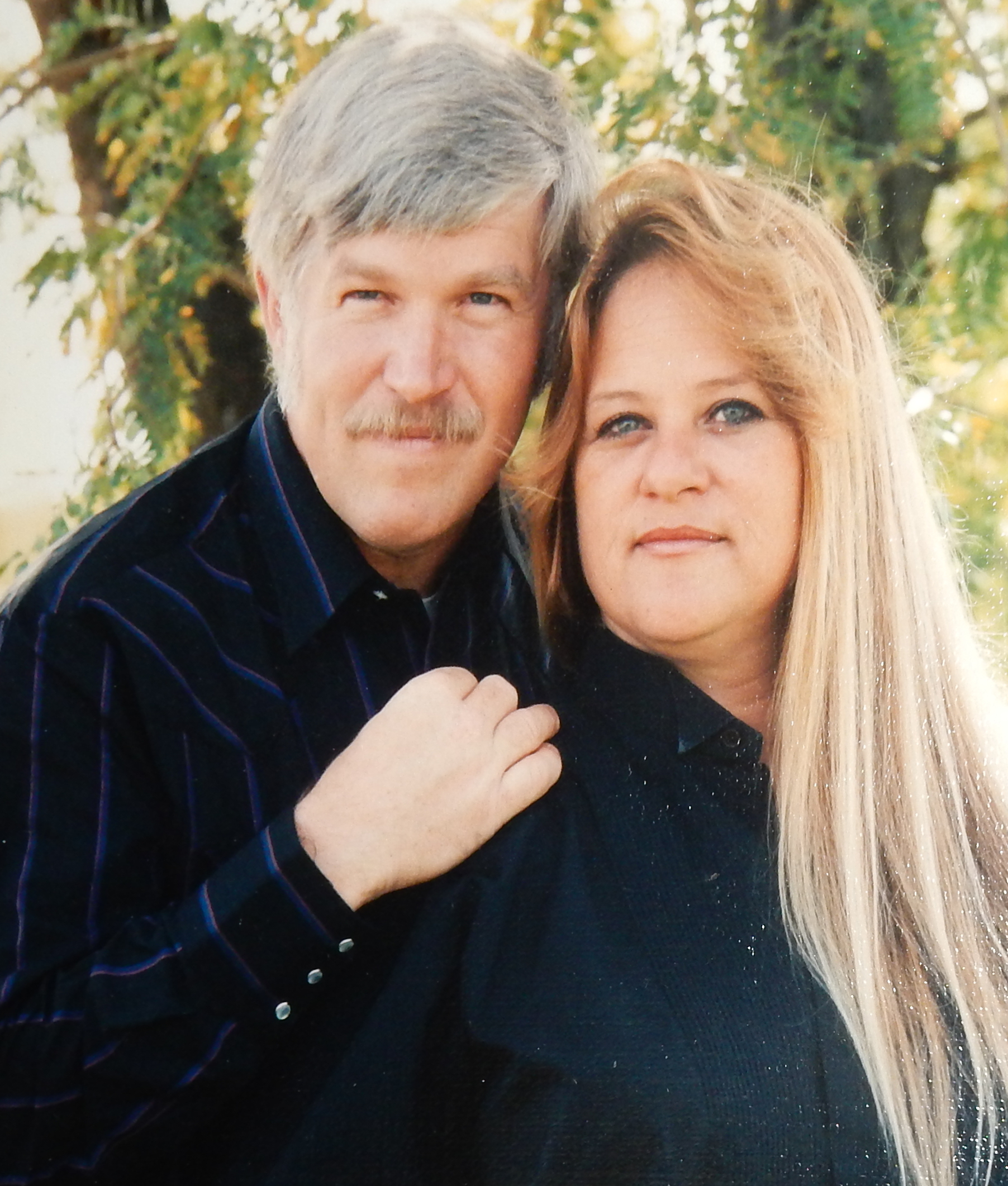
Now, Kevin and I are trying to enjoy our retirement, despite these new circumstances. We have gone on a few cruises since GBS, even though the ship’s vibrations really hurt, so I have to take pain pills and spend a lot of time resting. We have a cruise planned for June when we’ll take our kids and grandkids to Alaska, and we are looking forward to that.
Although May is Guillain-Barre’ Syndrom Awareness Month, for me, it’s every month. Since GBS, every day is a new day where I don’t know how my body is going to react, or what I will be able to do. My new life has also taught me patience (that’s hard for me) that whatever I wanted to do today may have to wait until tomorrow.
Kitty Conners lives in Anderson with her husband Kevin Conners. She was a recipient of the 1997 National Friends of Public Broadcasting – Special Event “Pork Chops for Lamb Chops”; 1998 NFPB Certificate, Volunteer Coordinator of the Year, and in 2001 was the first recipient of the NFPB Beverly Lundquist Award. She wrote the first grants to build the Cottonwood Community Center.


