
Have you ever heard of the Highland Clearances? I hadn’t, until I moved here.
A terrible time in Scottish history, Highlanders in the 1800s were thought to be less than their ‘betters’ in England, even considered sub-human – and then those supposed ‘betters’ decided to rid themselves of those who stood in the way of profit.
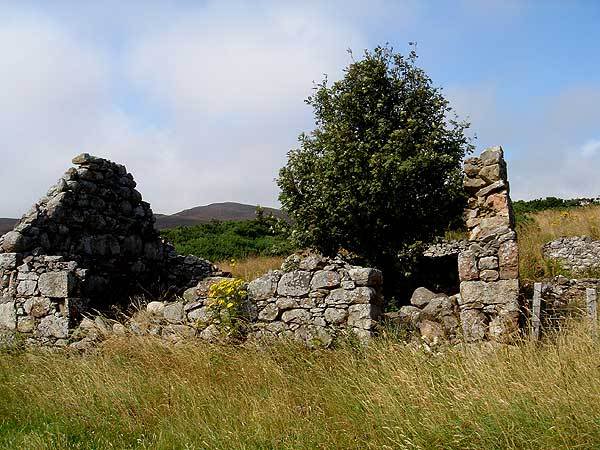
Picture yourself living in a small stone house, sharing your space with the family cow in an attached byre. Your home is simple, and you work the land as a tenant crofter. It’s a tough but relatively good life. You have complete faith in the landowner because he is your clan leader – he therefore will always have your best interests at heart, like family would. Or so you think.
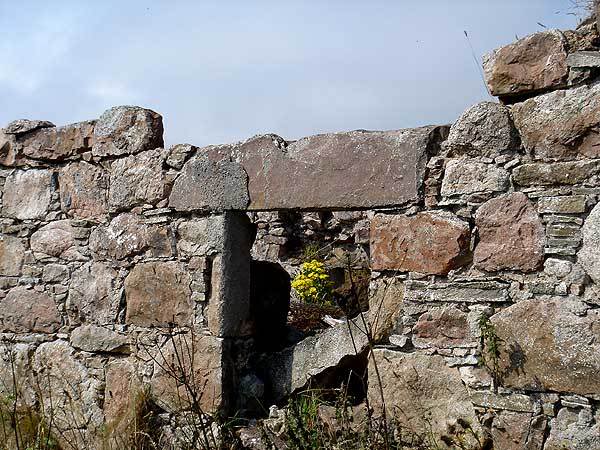
One day the factor (the landowner’s representative) serves an eviction notice. “But I have always paid my rent on time,” you protest. “This is my home!” It doesn’t matter. You have to move by a certain date. The factor’s documents are in English, but you only know Gaelic. No one tells you why you have to leave. You may take whatever you can carry, and you can even have the timbers from your thatched roof, but you must leave. Desperate, you ask the minister for help, unaware that he has thrown in his lot with the landowner. He tells you, “It is God’s will; you deserve the punishment that has been brought upon you!” It doesn’t occur to you to argue – if the minister says you are all ‘a wicked people’, then you are. The betrayal is absolute.
Some of the villagers decide to take the ‘opportunity’ provided by the landlord of emigrating to Canada (or Australia, or America) on ships that may never make their destination – and if they do, many will die in overcrowded conditions with insufficient supplies. Others from the village will move southward to the cities, looking for work in an atmosphere they can hardly comprehend. You decide that when the time comes, you will rebuild somewhere else in the Highlands where the landowner has set aside land for those who wish to stay.
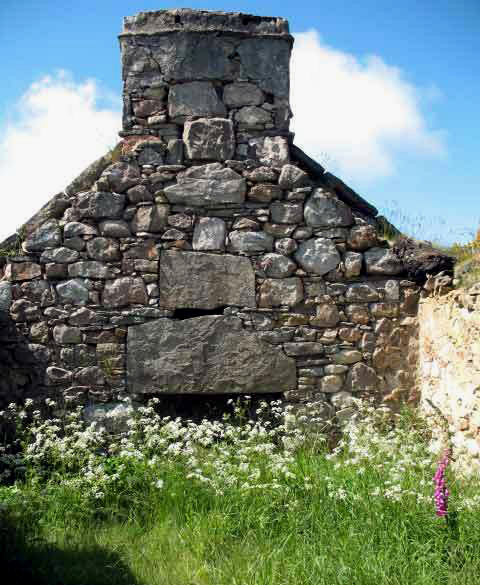
Eviction day arrives, and with it, the factor and a host of strangers. You plead your case once more but they are impatient. It’s time to leave. You move your bundles of possessions and what furniture you can carry, and as you turn back to remove the timbers from the roof you see that the thatch has been set on fire. The men, uncaring, move on to the next house as you and your family watch in shock. There aren’t many trees in the Highlands – where will your next roof timber come from? A man pleads with the factor’s men because his aged mother is ill and unable to get out of bed, and yet they’ve already lit the thatch. People rush to pull her out, the bed in flames. The factor and his men leave only when they are satisfied that there is nothing left to salvage.
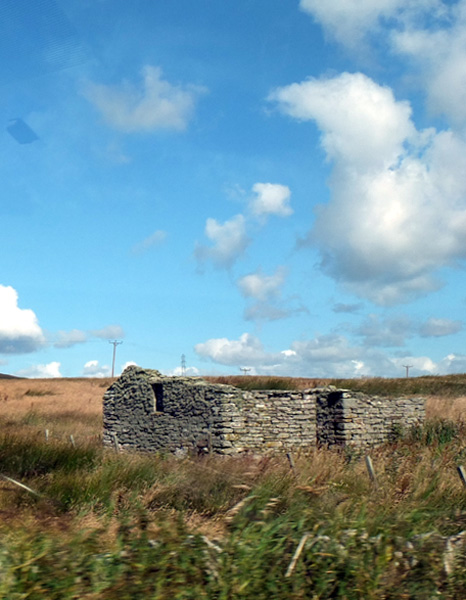
Some people have fled into the hills, thinking they’ll come back to the shells of their homes but they will be rousted again, beaten away with sticks if the men deem it necessary. But you leave, finding the land that has been allotted. The steep hillside ground is rocky with poor soil, yet you and others set your shoulders and scrape together homes while working the land. Life is hard and food is scarce in this wretched time, but you prevail in the end, with land now cleared of stones and fertilized, able to support crops. You have rebuilt your life, though you bitterly miss those who have left or died, but you persevere and struggle on. Then one day, the factor arrives. He has noticed that the formerly useless land now looks good. Good for what? Good for sheep, he says, and because of that, you are evicted again. The landowner is convinced there is more money in sheep than in tenants.

You are unable to defeat the factor and his men (others have tried, and been beaten bloody for their efforts), and you lack the ability to make a plea to those in power in England because you only speak Gaelic. Pushed ever farther into harsher conditions, or out to the coast where you are supposed to learn to fish (many drown, having no idea about fishing or boats or the turbulent sea), you still persevere, somehow. Entire communities continue to be ‘cleared’ so that the ground can be used for grazing.
Those few Gaelic speakers who spoke English tried their best, voicing outrage against the brutality and injustice of the Highland Clearances, to no effect. It even went to law – but the landowners had the courts in their pockets. Lives were ruined for generations by those who should have protected them, and a way of life disappeared.
All for sheep.
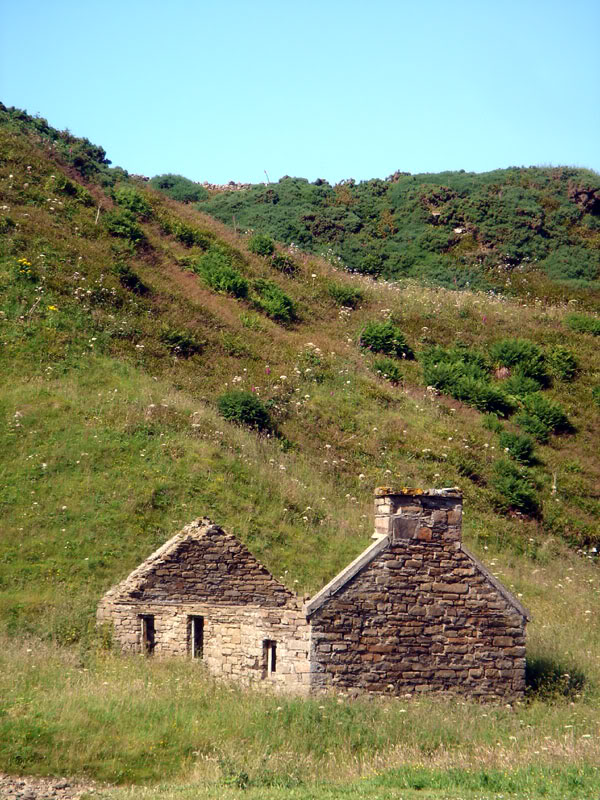
I live in one of the villages that people were moved to, to learn to fish and to eke out what they could from what ground they were given in tenancy. These villagers are still as tough and enduring as their ancestors, and they are a strange mixture of defiance and resignation. It’s almost accepted that bad things will happen, but they will prevail by sheer tenacity. Many who leave always long to return, and no matter where they live, the Highlands will always be home.
Oh, and that whole sheep thing? It failed. There wasn’t money in sheep after all, in spite of the landowners’ plans and schemes.
The Highlanders will never forgive it, nor will they forget. Would you?
 Deb Segelitz was born and raised in Pennsylvania, and is astounded to find herself living in the Scottish Highlands. Equally surprising to her is that she now has a small business restoring and selling old fountain pens. These two facts have convinced Deb that life is either beautifully random, or filled with destiny created by someone with a sense of humor. She hopes the fine north state residents will accept her as an honorary member, since she has some cousins in California who she visited once, but even more importantly because the north state folks she actually knows are fabulous people, who are also the reason for her presence here on anewscafe.com. An enthusiastic amateur photographer, Deb is grateful that she lives in a place that’s about as point-and-shoot as it gets. Her tortoiseshell cat, Smartie, rates her as an average minion, too slow with the door-opening but not too bad on the food-dish-refilling, and her husband hasn’t had her deported back to the States yet, so things must be going all right there, as well.


