
Adopted in 2001, The Parkview Plan was abandoned in 2014 — well before the struggling neighborhood regained its balance.
Fourteen years ago, as part of a Redevelopment effort, City staff, along with some very smart, well-paid urban planners, put together a comprehensive revitalization plan for Parkview. They used data, surveys, interviews and brainstormed ideas with residents – then, with carefully agreed-on-wording, they bravely spelled out and quantified the nature of Parkview’s problems.
At the very core of the matter they found a significant imbalance. When compared to other, healthier Redding neighborhoods, Parkview has far more renter-occupants than owner-occupants.
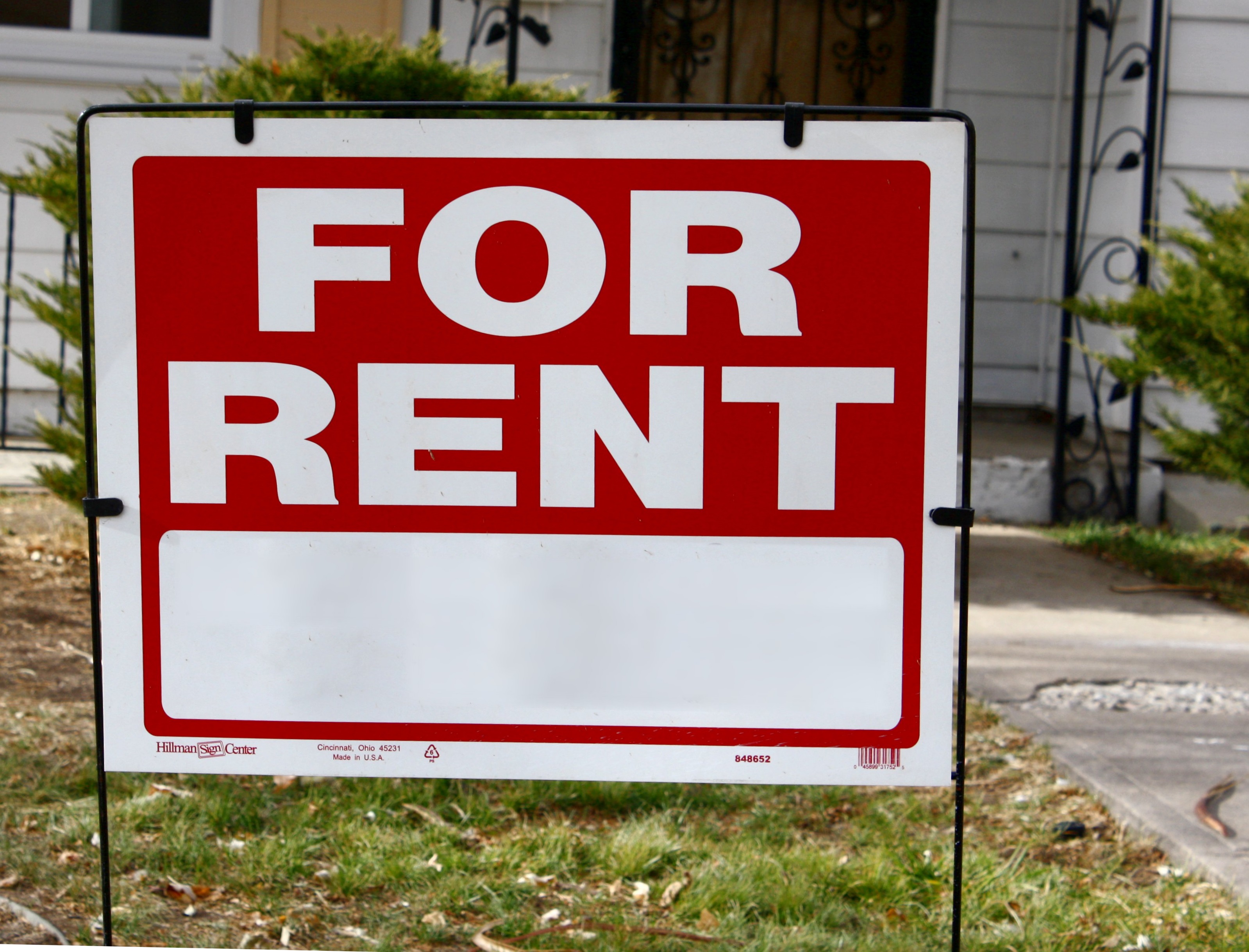
The fundamental issue is that without enough owners living in a neighborhood, a neighborhood suffers and declines. A neighborhood with too few owners has no hope of keeping itself desirable. It cannot raise its voice in resisting development that may not suit its future health.
It becomes the default location for all those necessary projects that nobody wants in their backyard.
With time it becomes more and more hopeless, especially if decision makers ignore the very Plan created to enable a cure.
The General Plan indicated the prevailing 75:25% ownership ratio, found in other, healthier Redding neighborhoods, was inverted in Parkview. To be healthy, they say, at least 60% of the homes should be owner-occupied.
Parkview’s rate was estimated to be between 25 to 40%. (The General Plan estimated the lower number, the Parkview Plan the higher number.)
These findings, along with new goals and implementation strategies were summarized and published as the Parkview Strategic Revitalization Plan. This Plan was then adopted by City Council in 2001. Residents and City staff have since worked hard on implementing it. Unfortunately the housing market crash of 2008 brought progress to a standstill, and is only now beginning to make a come back.
We Parkview residents understand the Parkview Plan is not a guarantee. It is simply a plan. We also understand that while changes and improvements have been made since the plan was initiated, many of Parkview’s problems remain.
This “imbalance” was the very reason the PNA didn’t show up at the Planning Commission meeting which enabled this whole mess. Without enough owner-occupants who have the time and the will to be able to speak up for a neighborhood’s interests, it is left voiceless in articulating its preferences about the future.
We thought we had a Plan in place, but obviously, without organized advocates, our Plan was pushed aside in favor of another agenda. Parkview has become the neighborhood-of-least-resistance because we couldn’t organize our voice when we needed to.
All the residents of Parkview are looking for is some hope at a shot to correct our imbalance. We understand the opportunities for the City to materially support individual home ownership are very limited, and that Redevelopment assets are now in Housing.
What we don’t understand is the City’s willingness to ignore its promise to support our Plan. By spending public money to invest in a project, that can only worsen the imbalance. We feel betrayed. Homeowners shouldn’t have to follow staff around brandishing ‘The Plan’ when a developer comes along looking for a neighborhood to site low-rent housing.
Adopted Plans are written by staff, for staff to use to guide development until a neighborhood has reached its goal or solved its stated problem. Adopted plans are carefully considered by all who have a role in their creation. They are supposed to outlive the tenure of their authors. Adopted Plans are supposed to function independent of advocates, and despite detractors.
The Parkview Neighborhood Association strongly disagrees with the premise that the neighborhood will, in any way, benefit from a 15% increase of the renter-owner ratio.
For us, Palm Communities‘ Woodlands Complex, a 75-unit low-rent housing project planned for the Parkview neighborhood, is a huge and irreparable step backwards.
Parkview is just too small and still too tenuous to absorb such an infusion of rental units.

The Parkview Plan is an important cornerstone for building investor confidence. Take that away, and the neighborhood changes course.
It is critical for homeowners to have confidence in City Hall. If the City expects residents to buy into a neighborhood and invest their money and lives in their homes, they need to see some hope for long-term stability and a chance for improvement.
All that homeowners want in Parkview is a chance to be healthy. Just like any other Redding neighborhood. Just like yours.
Bill Ulch,
Parkview Neighborhood Association
Redding, California
Bill Ulch has lived in Redding’s Parkview Neighborhood for 34 years. For 10 years he served as vice-chair of the Parkview Neighborhood Association and published a weekly newsletter, the ParkViewPoint.


