
By most standards I have lived a very successful life, but it wasn’t because I made good choices. Rather, it was because others made good choices for me, choices over which I had very little control.
My parents each chose a spouse from a good gene pool, and as a result I have always enjoyed good health. My good health allowed me to pursue ambitious life goals with success.
When I was in the first grade my parents saw me struggling to learn to read, so they chose to move me to a school where I could succeed. As a result I quickly became the best reader in my class. That was another good choice.
Then my parents chose to move to a crime-free neighborhood in my native Chicago, saving me from the danger of falling in with the wrong crowd.
During my childhood I was always exposed to good teachers, to caring neighbors, and to ministers worthy of my respect. Each of these role models was chosen for me by my parents. These were good choices, but they were not my choices.
My parents chose to avoid misusing drugs and alcohol, and they taught me how to live in a healthy family; they chose to tutor me in handling my childhood finances, a gift that benefitted me when as an adult money was short. More good choices. But not mine.
When I went to college I struggled with one course that could have derailed my professional ambitions. My professor chose to call me aside and offered me his help so I could pass his course. I’m glad he chose to tutor me during his lunch hour, as it saved my professional ambitions. That choice of his was a good one too.
One of my greatest blessings was when my wife chose to marry me, and then continued to choose to love me warts and all.
My society chose to give me unfair advantages because I’m Caucasian. And male.
My government chose to give me favorable tax rates that put me at an advantage over many others.
I am the result of many favorable choices. But they were mostly other people’s choices.
When I hear people speak of the homeless as a people who have made “bad choices”, I cringe. It is not so much that the homeless have made bad choices as that others have made bad choices that affected them. Someone chose to abuse them. Someone chose to tolerate poor teachers in substandard schools. Someone chose to provide them with poor health care, both mental and physical. Someone chose to eliminate retraining for those displaced by technology. Someone chose to use the city’s resources for major beautification projects while eliminating low income housing. Someone chose to stigmatize these folks and assume their lot is the result of their making poor choices.
The troubles of the homeless are indeed the result of choices that have been made. Most of those choices, however, were made by others.
But what if the homeless in fact have made some poor choices? Does someone’s making a bad choice somehow remove them from the human family?
Whenever I think of the homeless I am reminded of the Biblical story of Jonah. Those familiar with the story will remember that God told Jonah to go and preach to the people of Nineveh. Jonah objected because of the poor choices the people of Nineveh had made. He wanted nothing to do with them.
Jonah thought that people who made bad choices were not worthy of God’s Word or his love, so he ran away from his responsibility. God’s fish intervened, swallowed Jonah and spat him out again back on the road to Nineveh, where he presented the people of Nineveh with God’s message: God wants you to be a part of his people, a part of his community!
Jonah was a reluctant but effective preacher. The people of Nineveh changed their ways. When they were invited back into the community of God, they accepted the invitation. This happened because God cared enough to reach out to them. They were blessed by someone making a good choice on their behalf.
The homeless need people who will make good choices for them. They are no less deserving of being surrounded by neighbors who will make good choices for them than I was as a child growing up in Chicago. I am the result of good choices made by others. None of us reaches our life’s goals without assistance from others.
Our homeless neighbors are in need of other people’s making good choices on their behalf, just as we all are. But are we willing and capable of being those people who will make the good choices?
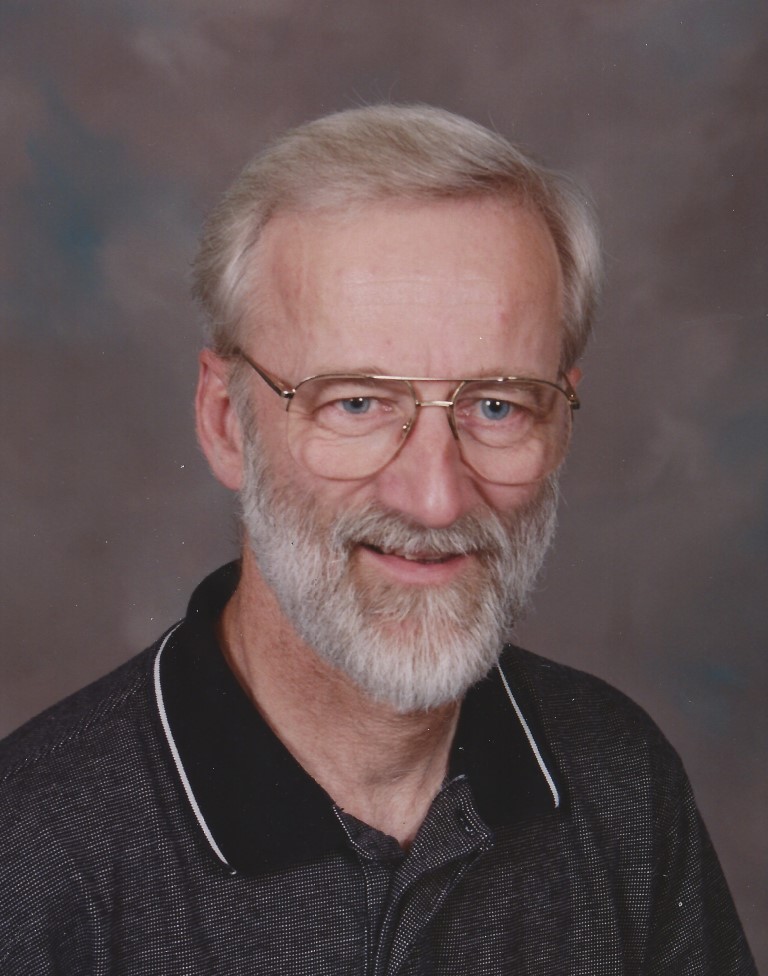
Robert J. Grosch is a retired licensed Marriage & Family Therapist and Lutheran minister.


