

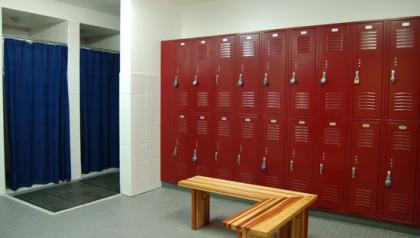
School will be starting up in a few weeks and the students will once again be back in the gyms — working out and participating in their athletic events.
There has been an increase in reporting of methicillin resistant staphylococcus aureus (MRSA) in schools across the nation.
Staphylococcus aureus is a bacteria that commonly lives on the skin of approximately 30 percent of the population. These bacteria can become resistant to commonly used antibiotics used to treat skin infections.
These skin infections can look like boils; a “spider bite”, but it isn’t a spider bite; a red area that is hot and draining yellow pus-like material or an area that is hard and red. These areas are more commonly found on the arms, underarms, legs, knees, groin or buttocks.
MRSA is spread through direct contact with a person or piece of equipment that has been contaminated with MRSA. If you think your child (or you) may have MRSA, please see a doctor for proper treatment. It is rare but these infections if not properly treated can spread into the bloodstream, making a person critically ill.
According to information at www.co.shasta.ca.us, MRSA is spread in crowded areas such as locker rooms, dormitory rooms or other crowded areas. Cleaning your hands is very important to help prevent the spread to others. You should wash your hands:
- Before and after practice, games or working out;
- Whenever there is bare skin contact with others or with shared surfaces or equipment;
- After sneezing, coughing, blowing or touching your nose;
- Before and after touching wounds, the mucous membranes of your eyes, nose, or mouth, or non-intact skin like acne, boils and skin rashes;
- After using the toilet or urinal;
- After touching any item soiled with wound fluids, such as dressings or bedding;
- After cleaning the bathroom, changing your bedding, or doing laundry; and
- Before preparing food, eating or drinking.
After direct contact sports:
- Dry using a clean, dry towel.
- Do not share towels (even on the sidelines of games), soap, razors or other personal toiletry items.
- Clean surfaces by removing the visible dirt; then use a chemical disinfectant product, using the instructions recommended by the manufacturer.
For other strategies to protect yourself from acquiring MRSA please see www.co.shasta.ca.us – Health Topics – MRSA.
Debbie Wiechman, RN,CIC, is an infection preventionist at Northern California Rehabilitation Hospital



